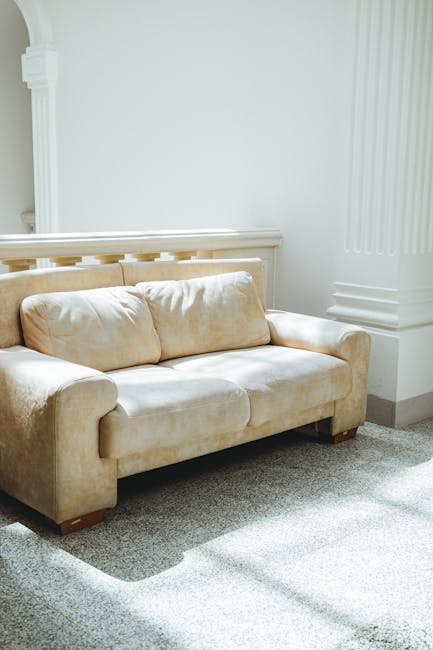
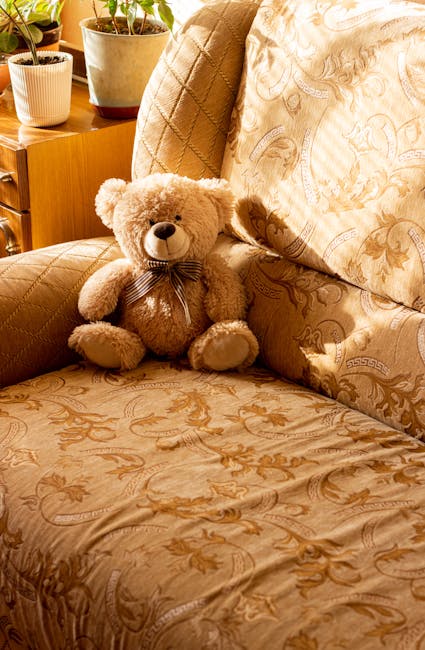
Valentines Park upholstery cleaning and stain removal
If your sofa has seen a few too many tea spills, muddy footprints, or that one mysterious mark that appeared after a busy weekend, you are in the right place. Valentines Park upholstery cleaning and stain removal is about more than making fabric look nice again. Done properly, it helps protect your furniture, improve hygiene, and extend the life of pieces you actually care about.
Whether you live close to the park, run a busy household, or just want a cleaner, fresher sitting room without replacing a perfectly good armchair, the right approach makes a real difference. To be fair, upholstery is often ignored until the stain has settled in and the fabric starts looking tired. Then it becomes one of those jobs you keep walking past. This guide walks through what works, what to avoid, and how to make a sensible decision for your home.
For readers looking at related cleaning needs too, it can help to explore professional carpet cleaning services alongside upholstery care, especially if spills or pet mess have spread from the sofa to the floor. And if your home also needs a broader refresh, our domestic cleaning support page shows how deep cleaning can fit together neatly.
Table of Contents
- Why Valentines Park upholstery cleaning and stain removal Matters
- How Valentines Park upholstery cleaning and stain removal Works
- Key Benefits and Practical Advantages
- Who This Is For and When It Makes Sense
- Step-by-Step Guidance
- Expert Tips for Better Results
- Common Mistakes to Avoid
- Tools, Resources and Recommendations
- Law, Compliance, Standards, or Best Practice
- Options, Methods, or Comparison Table
- Case Study or Real-World Example
- Practical Checklist
- Conclusion
- Frequently Asked Questions
Why Valentines Park upholstery cleaning and stain removal Matters
Upholstery takes a beating in ordinary life. It catches dust, body oils, crumbs, pet hair, pollen, drink spills, and the occasional mark that seems to appear out of nowhere. In a busy home near Valentines Park, furniture often works hard all day and into the evening. That constant use means dirt builds gradually, and because it happens slowly, people stop noticing it. Then one day the sofa looks dull, smells a bit stale, and the fabric feels less inviting.
That is the point at which upholstery cleaning starts to matter. Not just visually, but practically. Freshly cleaned fabric can feel softer, smell cleaner, and support a healthier indoor environment. Stain removal matters too, because certain marks become harder to treat the longer they sit. Coffee, wine, makeup, food grease, and pet accidents all behave differently, and each one needs the right method. A quick incorrect attempt can set the stain deeper. Happens all the time.
There is also a value side to this. A sofa, dining chair, or chaise longue is not cheap to replace. Regular care often makes much more sense than rushing into new furniture because the old one looks a bit tired. For many households, especially with children or pets, routine upholstery care is a simple way to keep the home feeling respectable without turning life upside down.
Expert summary: if the furniture is structurally sound, professional cleaning is often the smarter first step before repair or replacement. The key is choosing the right cleaning method for the fabric, stain type, and condition of the item.
How Valentines Park upholstery cleaning and stain removal Works
Good upholstery cleaning follows a fairly careful process. It is not about blasting fabric with water and hoping for the best. In practice, the cleaner first identifies the material, tests the colourfastness, and checks the condition of the upholstery. That matters because cotton, wool blends, velvet, microfibre, leather, and synthetic fabrics each respond differently to moisture, detergent, heat, and agitation.
The process usually starts with dry soil removal. Loose dust, grit, pet hair, and crumbs are extracted first, because if those are left in place they can turn into mud during cleaning. Then a suitable pre-treatment is applied to the stained or heavily soiled areas. This stage is where stain removal becomes more precise. A protein-based stain, for example, needs a different approach from a tannin stain like tea or coffee.
After that, the fabric may be cleaned with hot water extraction, low-moisture cleaning, specialist foam, or an appropriate solvent-based method, depending on the material. The aim is to lift embedded dirt without over-wetting the filling or backing. Over-wetting can cause slow drying, odours, or even distortion. Truth be told, that is where DIY jobs often go a bit sideways.
Finally, the upholstery is extracted, groomed where suitable, and left to dry properly. Drying time depends on the fabric, room airflow, temperature, and humidity. A well-done clean should leave the furniture looking brighter without leaving sticky residue behind.
What makes stain removal different from general cleaning?
General upholstery cleaning removes overall dirt and dullness. Stain removal is more targeted. It uses chemistry, dwell time, and controlled technique to break down or suspend the stain so it can be lifted. Sometimes a stain fully disappears. Sometimes it improves dramatically but leaves a faint shadow, especially if it has already oxidised or been heat-set. A careful professional will explain that honestly rather than promising magic. And that honesty is useful.
Key Benefits and Practical Advantages
There are several solid reasons people choose upholstery cleaning instead of simply covering the problem with a throw and hoping nobody notices.
- Better appearance: colours look fresher, fabric looks more even, and tired seating often comes back to life.
- Improved hygiene: cleaning removes dust, allergens, skin oils, and everyday grime trapped in fibres.
- Longer furniture life: removing abrasive dirt can reduce wear on the fabric over time.
- Odour reduction: food smells, pet odours, and general stale air trapped in upholstery can be reduced significantly.
- More comfortable living spaces: a cleaner sofa simply feels better to sit on. It sounds obvious, but it really does matter.
- Better stain control: treating spills promptly often prevents permanent marking.
There is also a psychological benefit that people do not always mention. A clean sofa makes a room feel looked after. You notice it when you sit down with a cup of tea at 7:30 on a grey weekday evening and the room just feels calmer. Small thing, big difference.
For homes that need a broader reset after renovation dust or a busy season, upholstery work often pairs well with end of tenancy cleaning or a deeper deep cleaning service. Not because everything has to be done at once, but because some jobs belong together.
Who This Is For and When It Makes Sense
Upholstery cleaning and stain removal makes sense for a wide range of people, but especially for households and businesses where furniture sees steady use. Families with young children often need help after juice spills, chocolate smears, and the odd sticky handprint on the armrest. Pet owners may need help with odours, hair, and those awkward little accidents that happen when nobody is looking. Been there, unfortunately.
It is also a sensible option for landlords, tenants, and property managers who want to present a home well. Clean upholstery can make a flat feel far more welcoming during inspections, viewings, or when preparing for new occupants. For small offices, waiting areas, and consulting rooms, it can support a more professional impression too.
Some signs that it is time to book help include:
- visible stains that have been there for more than a few days
- fabric that looks dull or patchy even after vacuuming
- odours that linger after opening windows
- pets regularly using the sofa or chairs
- allergy concerns where dust build-up may be contributing
- recent flooding, leak damage, or spill incidents
If you are weighing up related services, our office cleaning support page can be useful for commercial spaces, while after builders cleaning is worth considering if your furniture has picked up fine dust during renovation work. That dust finds its way into everything. Honestly, it does.
Step-by-Step Guidance
If you want a better result, it helps to understand the sequence. This is the kind of job where a careful order matters more than brute force.
- Identify the fabric. Check care labels where available, and note whether the upholstery is natural fibre, synthetic, blended, or leather.
- Inspect the stain. Try to remember what caused it. Ink, wine, coffee, oil, pet urine, and food stains each need different treatment.
- Vacuum thoroughly. Dry debris should always come out first, including crumbs around seams and under cushions.
- Test a hidden area. This helps confirm that the fabric will not bleach, run, or go fuzzy when treated.
- Pre-treat targeted areas. A suitable solution is applied and left briefly to loosen the mark.
- Clean using the correct method. Low-moisture, extraction, or specialist solvent cleaning may be chosen depending on the fabric.
- Extract residues carefully. This reduces stickiness and helps the fabric dry evenly.
- Dry properly. Good airflow matters. Open windows if appropriate, or use fans where safe and practical.
- Review the result. Some stains need a second pass; others may improve but not fully disappear.
A simple example: a fresh coffee spill on a light-coloured sofa can often be treated successfully if blotted early and handled with the right solution. The same spill left for a week on warm fabric is a different story. Timing changes everything, sometimes annoyingly so.
When a DIY attempt is sensible
If the mark is fresh, the fabric care label is clear, and the material is robust, a cautious spot treatment may be enough. Use very little moisture, blot rather than scrub, and avoid household products that leave residue. If there is any doubt, stop. It is usually better to pause than to create a bigger problem.
Expert Tips for Better Results
There are a few habits that make a big difference, and they are not complicated.
- Act quickly on spills. The longer a stain sits, the more likely it is to bond with the fibres.
- Blot, don't rub. Rubbing pushes liquid deeper and can fuzz the fabric surface.
- Use as little water as possible. Too much moisture can spread the stain or affect the filling.
- Test first. Hidden areas are your friend.
- Know the fabric. Velvet, wool, silk blends, and leather need different care.
- Ventilate the room. Airflow helps speed drying and reduce lingering smells.
- Treat odours and stains separately. A clean-looking seat can still smell if the source is still in the fibres.
One practical tip that often gets overlooked: if a stain seems smaller after drying but still feels tacky, there may be residue left behind. That residue can attract dirt again, which means the mark comes back looking worse than before. Bit of a nuisance, but common.
For households with recurring spill issues, a schedule of regular upholstery cleaning can be more cost-effective than emergency spot treatment every few months. It also keeps furniture looking more consistent, which people tend to appreciate even if they do not say it out loud.
Common Mistakes to Avoid
Some of the biggest upholstery mistakes are surprisingly ordinary. They happen because people are in a rush, or because a well-meaning cleaner from the cupboard was already there.
- Scrubbing hard: this can spread the stain and damage the fibres.
- Using bleach or harsh chemicals: these can cause permanent colour loss or texture damage.
- Over-wetting the fabric: it may leave rings, slow drying, or unpleasant smells.
- Ignoring care labels: those symbols are not decorative.
- Using heat too early: a warm iron or hair dryer can set some stains permanently.
- Cleaning only the stain: this can leave a visible outline or "tideline" around the treated patch.
- Forgetting the padding: stains can sink deeper than the top layer, especially with liquid spills.
Another easy mistake is assuming one product works for everything. It does not. A grease stain on a dining chair is not the same as a tea mark on a sofa arm, and pet accidents bring their own set of issues. If in doubt, treat less aggressively, not more.
Tools, Resources and Recommendations
Whether you are doing a careful spot clean yourself or evaluating a professional service, the right tools make the job less guesswork and more process.
| Tool or material | What it helps with | What to watch for |
|---|---|---|
| Microfibre cloths | Blotting spills and lifting residue | Use clean cloths; dirty cloths can transfer grime |
| Vacuum with upholstery attachment | Removing dry soil, hair, and crumbs | Be gentle on delicate fabrics and seams |
| Soft brush | Loosening dust before cleaning | Avoid aggressive brushing on looped or delicate pile |
| Fabric-safe spot treatment | Targeting specific stains | Always test first on an unseen area |
| Air mover or fan | Helping furniture dry faster | Do not overheat the fabric |
For more complex jobs, many people prefer to leave it to trained technicians who understand fibre types and stain chemistry. That is especially sensible for antique pieces, luxury fabrics, or items with sentimental value. A favourite armchair is not the place to experiment. Let's face it, nobody wants to explain to a parent or partner that the "little stain" is now a larger, lighter patch.
If you are also sorting the rest of the home, our spring cleaning page may help you plan a wider refresh, and rug cleaning can complement upholstery work if the floor coverings are showing the same wear.
Law, Compliance, Standards, or Best Practice
For most households, upholstery cleaning is a practical service rather than a heavily regulated one. Still, best practice matters. In the UK, a responsible cleaner should work with suitable chemicals, follow product instructions, and take reasonable care around fabric type, ventilation, and safe handling. If a property is rented or managed commercially, it is also sensible to keep cleaning records where relevant, especially if the work is tied to changeover or maintenance schedules.
There is no single universal rule for every fabric, so careful inspection and testing are part of good professional conduct. This is especially important where children, pets, asthma, or sensitivity to scents are concerns. Low-residue products and proper extraction tend to be preferable in those cases. If a provider is vague about methods or rushes past the inspection stage, that is a small warning sign.
For landlords and letting agents, it is wise to distinguish between ordinary wear, staining, and damage. Cleaning can improve appearance a great deal, but some marks are beyond cleaning and may require repair or reupholstery. Honest expectations help avoid awkward conversations later. The same applies in commercial settings, where upholstery in waiting rooms or staff areas may need more frequent attention because of traffic and public use.
In short: use safe methods, respect fabric instructions, and do not force a one-size-fits-all approach. That is the best practice, and usually the most cost-effective one too.
Options, Methods, or Comparison Table
Not every upholstery job needs the same approach. The right method depends on the fabric, stain type, and how delicate the item is. Here is a simple comparison to help frame the choice.
| Method | Best for | Advantages | Limitations |
|---|---|---|---|
| Dry vacuuming and maintenance | Routine care, loose dust, light refresh | Quick, gentle, easy to repeat | Will not remove set-in stains or deep soil |
| Spot treatment | Fresh spills and small isolated marks | Focused, economical, fast | Can leave rings if done poorly |
| Hot water extraction | Durable fabrics with general soil and odours | Deep cleaning effect, good soil removal | May be unsuitable for delicate fabrics or over-wetting risks |
| Low-moisture cleaning | Sofas that need gentler handling | Faster drying, reduced water use | May need more specialist products |
| Solvent-based treatment | Specific stains on compatible fabrics | Useful for oil-based marks and delicate materials | Requires careful testing and experience |
If your main issue is one fresh stain, spot treatment might be enough. If the whole sofa has dulled over time, a fuller clean usually makes more sense. If you are unsure, a proper inspection beats guesswork every time.
Case Study or Real-World Example
Picture a family sofa in a living room near Valentines Park. It is a busy space: children climbing on cushions, a dog who always seems to know the best seat, and tea arriving in mugs that are definitely too full. The sofa does not look ruined, just a bit worn. There is a coffee mark on one arm, a dark patch where the dog sleeps, and a general greyish tone over the light fabric.
In a case like that, the sensible approach is not to attack every mark with the same product. First, the fabric is identified. Then the loose dirt and hair are removed. The coffee mark is pre-treated separately from the body oils and pet-related odour. A low-moisture or controlled extraction method may be chosen depending on the fabric blend and how much drying time is available in the home.
What usually surprises people is that the biggest visual improvement often comes from removing the general soil, not just the obvious stain. Once the dull layer is gone, the sofa tends to look brighter overall. The coffee mark may still be the main focus, but the whole room feels cleaner. One small win leads to another. That is often how it goes.
In another example, a dining chair upholstered in a lighter fabric may need fast attention after food and wine spill during a weekend gathering. Early blotting, then precise stain treatment, often gives a much better result than waiting until Monday and hoping for the best. Weekend spills do not care about your schedule, sadly.
Practical Checklist
Use this checklist before you clean, book, or decide whether a piece is worth saving.
- Identify the fabric type if possible
- Check for a care label or cleaning code
- Note what caused the stain
- Blot fresh spills gently, do not rub
- Vacuum loose dirt and hair first
- Test any product on a hidden area
- Avoid bleach and aggressive scrubbing
- Allow enough drying time
- Think about odour as well as appearance
- Consider whether the item needs specialist help
If you tick most of those boxes, you are already ahead of the average panic-clean. And yes, panic-cleaning is a real thing. Usually done five minutes before guests arrive.
Get a free quote today and see how much you can save.
Conclusion
Valentines Park upholstery cleaning and stain removal is one of those household services that quietly pays for itself in comfort, appearance, and peace of mind. It helps protect furniture you already own, improves the feel of your home, and tackles the sort of marks that make a room seem older than it really is. The main thing is choosing the right method for the fabric and acting before stains become stubborn.
If you are weighing up whether to clean, spot treat, or replace, start with the condition of the item and the type of stain. Fresh marks and sturdy fabrics often respond well to careful treatment. Delicate materials, deep-set odours, and older stains usually deserve a more experienced hand. That approach saves time, protects the fabric, and usually gives a better result. Simple, really.
And if your sofa, chairs, or cushions are ready for a proper refresh, there is something genuinely satisfying about seeing them come back to life. A cleaner seat, a fresher room, a small sense of order restored. Not a bad outcome at all.
Frequently Asked Questions
How often should upholstery be cleaned?
For most homes, a light professional clean every 12 to 24 months is a common approach, though busy households, pet owners, and families with children may need it more often. High-use furniture can collect soil much faster than people expect.
Can all stains be removed from upholstery?
No, not always. Some stains fully lift, some improve greatly, and some leave faint marks if they have been sitting for a long time or have reacted with heat or cleaning products. A careful assessment is the honest starting point.
Is steam cleaning safe for all sofas?
Not necessarily. "Steam cleaning" is often used loosely, but not every fabric can tolerate high moisture or heat. The right technique depends on the upholstery material and the manufacturer's care instructions.
What is the best way to treat a fresh spill?
Blot it gently with a clean absorbent cloth, working from the outside of the spill inward. Avoid rubbing, because that can spread the stain and push it deeper into the fibres.
Will upholstery cleaning remove pet odours?
It can reduce or remove many pet odours, especially when the source is within the fabric rather than deep in the cushion filling. Older or stronger odours may need more targeted treatment.
How long does upholstered furniture take to dry?
Drying time varies by fabric, cleaning method, airflow, and room temperature. Some pieces are touch-dry fairly quickly, while thicker cushions or more absorbent fabrics may take longer. Good ventilation helps.
Can I use supermarket stain removers on my sofa?
Sometimes, but caution is essential. Some products leave residue, discolour fabric, or make the stain harder to remove later. Always test first in an inconspicuous area and read the label carefully.
What upholstery fabrics are the trickiest to clean?
Delicate natural fibres, velvet, silk blends, and some older or hand-finished fabrics can be more sensitive to water, heat, or agitation. Leather also needs a different method from fabric upholstery.
Is professional upholstery cleaning worth it?
For valuable furniture, stubborn stains, odours, or heavy use, it often is. A professional clean can restore appearance and reduce the risk of damage caused by trial-and-error DIY methods.
Can cleaning remove water rings or tide marks?
Often, yes, though results depend on the cause and how long the mark has been there. Water rings usually need more than a simple wipe, because they can come from uneven drying or residue left behind.
Should I clean the whole sofa or just the stain?
Cleaning only the stain may leave a visible patch or outline. In many cases, a more even clean across the whole panel or entire piece gives a better finish and avoids "spotlight" effects.
What should I ask before booking upholstery cleaning?
Ask about the fabric types they handle, the method they use, how they treat stains, expected drying time, and what happens if a stain does not fully lift. Clear answers usually mean a more careful service.